



The 10 biggest cosmetic surgery myths
-which are really true?
Reading time: 3 min | Author: Dr Niklas Noack
Everyone knows them: advice from the internet, stories from friends or persistent TikTok trends that promise real miracles.
In aesthetic medicine, we encounter them every day - and many patients are unsettled.
In this article, Dr Niklas Noack explains 10 of the most widespread cosmetic surgery myths and shows what is really behind them.

The most important facts about the myths of cosmetic surgery in a nutshell
- Many cosmetic surgery myths are based on old information, social media trends or misinterpretations.
- Modern aesthetic medicine works safely, scientifically and with technologies that are significantly more advanced than in the past.
- Specialist medical advice protects from wrong decisions, unrealistic expectations and unnecessary fears.
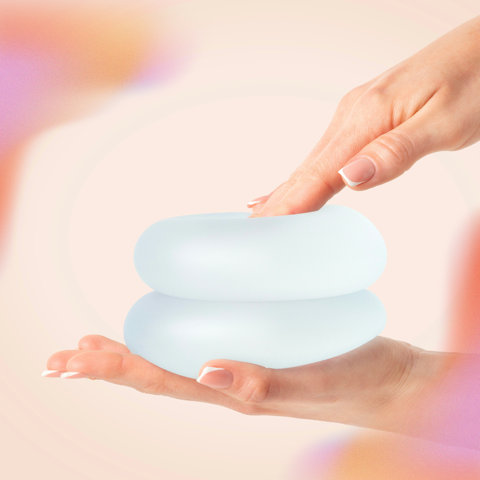
1st myth: „Breast implants must be replaced every 10 years.“
Dr Noack encounters this myth at almost every consultation. Many patients assume that implants have a kind of „expiry date“.
The fact is:
Modern implants are now highly developed, have multi-layer shells and cohesive gels that do not leak even in the event of a tear.
As long as No complaints, no capsular fibrosis and no visible abnormalities in ultrasound or MRI, implants do not have to be replaced.
A change is only necessary if:
- Capsular fibrosis
- Discomfort
- Defect of the implant
- Request for resizing
Implants are not like yoghurt in the fridge - they do not „spoil“ after
10 years.
2nd myth: „Fillers permanently deform the face.“
Although the famous „overfilled look“ is real, it is not created by the material itself, but by:
- Wrong technique
- Overtreatment
- uncritical handling of volume
Important:
Reputable practitioners use high-quality hyaluronic acids, which the body completely degrades.
And even if you don't like the result:
Hyaluronic acid can be mixed with Hyaluronidase This is a major advantage over other methods.
When a Filler for wrinkle injections is well set, you can see not the filler, but simply a relaxed, harmonious face.
3rd myth: „Toothpaste helps against spots.“
A classic from teenage years: Toothpaste on the pimple - and hope that the menthol and „freshness“ will dry it out.
The reality:
Toothpaste contains ingredients for teeth, not for inflamed skin.
You irritates, corrodes easily and often aggravates the pimple.
They are more effective:
- Salicylic acid
- Benzoyl peroxide
- Fruit acids
In case of recurring blemishes: dermatological clarification.
4th myth: „Botox® is dangerous.“
Botulinum toxin has a dubious reputation as a „poison“ - and yet for over 40 years it has been one of the safest drugs in aesthetic medicine when used professionally.
Why it is safe:
- Extremely small quantities
- local effect
- Tried and tested a million times over for decades
- reversible
Botox® only becomes problematic with:
- incorrect dosage
- Non-medical professionals
- Black market preparations
A good result of a Botox® treatment does not lead to a rigid face, but to a fresh, refreshed expression.
5th myth: „A facelift changes your whole face.“
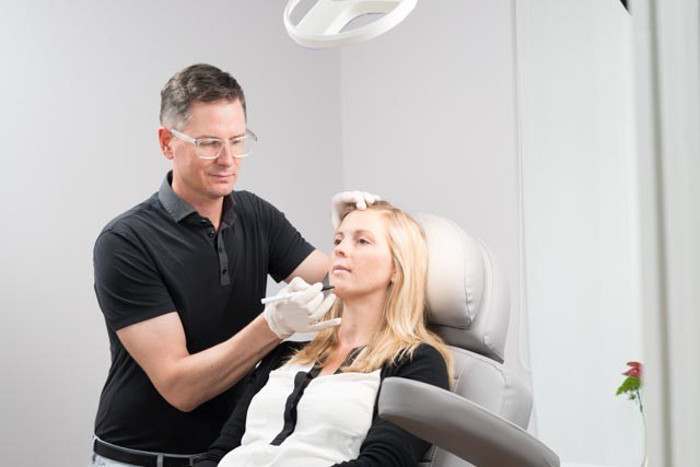
Many people think of artificial Hollywood faces when they think of facelifts.
Modern processes - such as the Deep-plane facelift - no longer have anything to do with it.
The goal is:
- Gentle repositioning
- Restoring natural proportions
- a more relaxed, not a „made“ look
Patients should look like themselves - only fresher.
6th myth: „Lemon water makes beautiful skin.“
Lemon water is healthy and popular on social media.
But the claim that it conjures up porcelain skin or detox effects is exaggerated.
The vitamin C content is too low to have a visible effect on the skin.
Citric acid can also be irritating on an empty stomach.
Lemon water does no harm - but it is no substitute for skin care.
Myth 7: „Shaving makes your hair thicker.“
This myth persists - but it is false.
Why it works like this:
When shaving, the hair is blunt cut at the widest point.
It therefore feels thicker when it grows back.
The hair root remains unchanged - as does the structure.
Myth 8: „Collagen creams build up collagen in the skin.“
Sounds great, but is not scientifically possible:
Collagen molecules are too big, to get through the skin barrier.
What collagen creams can do:
- Moisturise
- Smooth the skin surface
What they can't do:
- Form new deep collagen
Real collagen build-up requires:
- Retinol
- Laser
- Radio frequency
- Microneedling
Myth 9: „Scars after cosmetic surgery are always visible.“
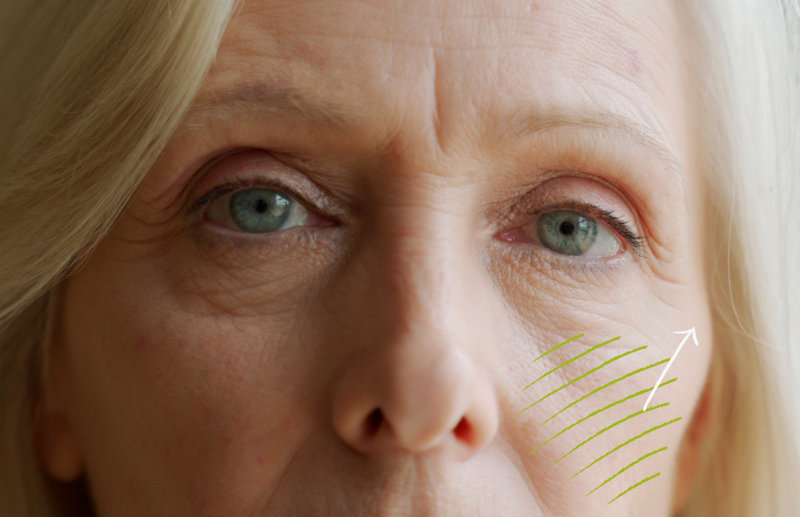
Scars are part of every surgical procedure.
But modern incision techniques and good aftercare make a lot possible.
Good scars are created by:
- Hidden cut in natural folds
- Low tension on the seam
- Silicone plasters & creams
- Sun protection
- Patience
Many scars fade to a barely visible, light-coloured line - but this usually takes time Months to years.
Myth 10: „The more skincare products, the better the skin.“
The skin is not a field for experimentation.
Too many products can:
- weaken the skin barrier
- Trigger irritation
- cause perioral dermatitis
A good routine consists of a few coordinated steps:
- Cleaning
- Active ingredient (e.g. vitamin C or retinol, depending on the skin)
- Moisture
- Sun protection
More is often not better - just more expensive.

Conclusion: cosmetic surgery myths are persistent - facts can help
The beauty industry is huge, social media even bigger - and myths spread quickly. This fact check will give you guidance and help you make informed decisions.
If you have any questions of your own or if a myth is still unclear to you, you can write to Dr Noack at any time.
Do you have any questions?
I look forward to hearing from you.